
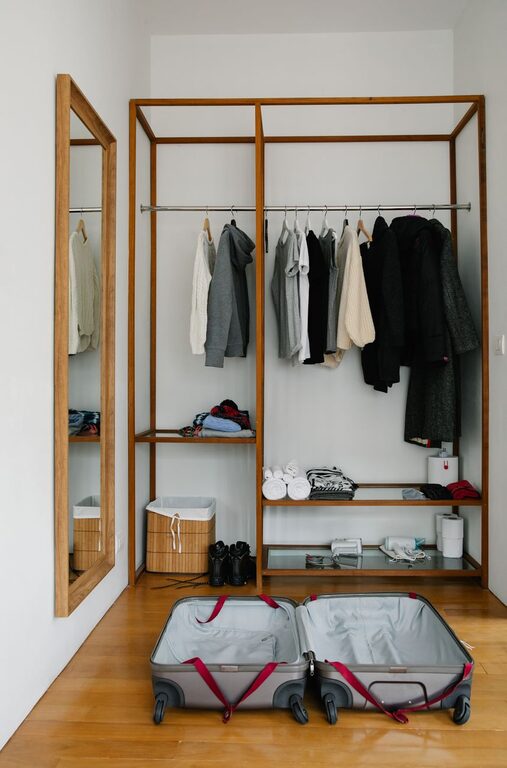
Storing seasonal clothes efficiently can save you time, protect your garments, and keep your home organized. Whether you’re putting away winter sweaters or summer dresses, a little preparation goes a long way to ensure your clothes stay in good shape while not in use. In this post, we’ll explore simple and effective methods to store seasonal clothes, helping you create a clutter-free and accessible wardrobe.
Why Store Seasonal Clothes Properly?
Storing clothes the right way prevents damage like fading, stretching, or moth infestations. It also frees up valuable closet space for the current season’s items, making your daily routine easier. Efficient storage means your clothes are ready to wear when the seasons change, without extra cleaning or repairs.
Step 1: Clean Your Clothes Before Storing
Before putting clothes away, always wash or dry clean them. Dirt, sweat, and oils can attract pests or cause stains to set in over time. Make sure clothes are completely dry to avoid mildew and mold during storage.
– Check care labels for washing instructions
– Spot clean any stains
– Air dry garments thoroughly
Step 2: Choose the Right Storage Containers
The containers you use can help protect your clothes from dust, moisture, and pests.
Types of Storage Solutions
– Plastic bins with airtight lids: These keep clothes dry and safe. Opt for clear bins to identify contents easily.
– Vacuum-sealed bags: Great for bulky items like coats and blankets. They save space by compressing clothes.
– Fabric storage bags: Breathable and ideal for delicate materials.
– Under-bed storage boxes: Utilize under-bed space to store off-season clothes out of sight.
– Drawer organizers: For smaller seasonal accessories like scarves and gloves.
Tips for Choosing Containers
– Avoid cardboard boxes as they can attract pests and absorb moisture.
– Use containers with labels for quick identification.
– Allow some air circulation to prevent mildew, especially for natural fibers.
Step 3: Prepare Clothes for Storage
Proper preparation helps maintain the shape and quality of your garments.
– Fold sweaters and knitwear: Hanging can cause stretching. Fold neatly to avoid creases.
– Use padded hangers: For delicate dresses or coats, padded hangers prevent deformation.
– Stuff sleeves and hats: Use tissue paper to keep shape and prevent wrinkles.
– Remove accessories: Store belts, brooches, and other accessories separately to avoid damage.
Step 4: Organize Your Storage Space
Where you store your clothes matters. Keep items in a dry, cool area away from direct sunlight.
– Avoid basements or attics if they are damp or subject to temperature extremes.
– Use shelves or stack bins thoughtfully to avoid crushing clothes.
– Keep heavier items at the bottom and lighter ones on top.
– Label boxes clearly with season and item type.
Step 5: Protect Clothes from Damage
Clothing can suffer from pest infestations and moisture damage during long storage periods.
How to Protect Your Clothes
– Use cedar blocks or lavender sachets: Natural repellents to keep moths away.
– Avoid mothballs: They contain harmful chemicals and strong odors.
– Place moisture absorbers: Silica gel packs or activated charcoal can reduce humidity.
– Regularly check stored items: Inspect for pests or damage every few months.
Step 6: Refresh Clothes Before Wearing
At the start of a new season, take time to air out and refresh your clothes.
– Shake out dust and wrinkles.
– Spot-clean if needed.
– Consider a light wash or dry cleaning if garments have absorbed odors.
– Repair minor damages like loose buttons or small tears.
Additional Tips for Seasonal Clothing Storage
– Rotate clothes seasonally in your main closet to keep your wardrobe manageable.
– Donate or recycle clothes you no longer wear before storing to reduce clutter.
– Consider investing in modular storage solutions for easy access and flexibility.
– Use hanging organizers with clear pockets for smaller items like socks and underwear.
– Label everything consistently—use color coding or tags to speed up finding items.
Conclusion
Efficiently storing seasonal clothes is a straightforward process that benefits your wardrobe and living space. By cleaning garments first, choosing the right containers, organizing your storage area, and protecting clothes from damage, you’ll keep your items fresh and ready to wear year-round. With these tips, seasonal wardrobe changes will be simpler, quicker, and less stressful.
Happy organizing!