
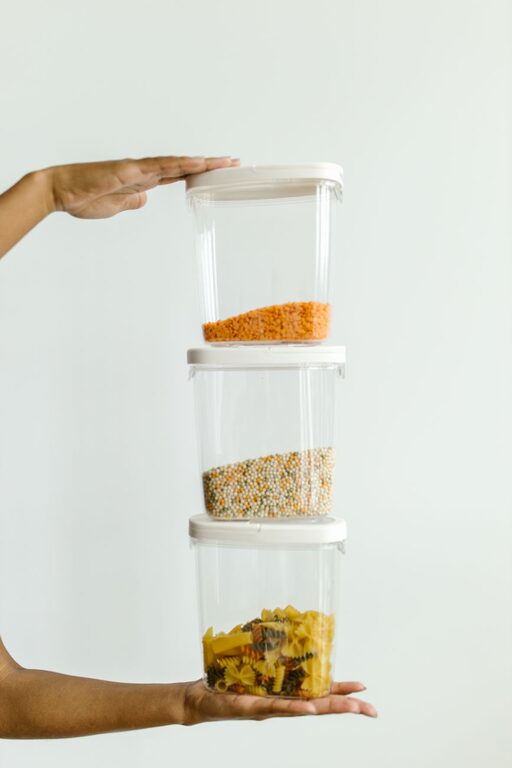
Planning meals from pantry staples is a smart way to keep your kitchen organized, save money, and reduce last-minute stress about what to cook. Whether you’re facing a busy week or trying to eat more efficiently, relying on ingredients you already have can lead to creative, tasty meals without the need for extra trips to the store.
In this post, we’ll explore how to plan meals using common pantry staples, offer tips to make the process easy, and share ideas for quick and satisfying recipes. Let’s dive in!
Why Plan Meals from Pantry Staples?
Before jumping into the how-to, it’s helpful to understand the benefits of meal planning based on pantry items:
– Saves time: Knowing what to cook ahead avoids daily decision fatigue.
– Reduces food waste: Using what you have prevents ingredients from spoiling.
– Saves money: Limits unnecessary purchases and helps use bulk or long-lasting items.
– Boosts creativity: Encourages you to mix and match flavors and ingredients in new ways.
Step 1: Take Inventory of Your Pantry Staples
Start by taking stock of what you have. A well-stocked pantry often includes:
– Grains: Rice, pasta, quinoa, oats
– Canned goods: Beans, tomatoes, vegetables, tuna
– Baking essentials: Flour, sugar, baking powder
– Spices and herbs: Salt, pepper, garlic powder, dried herbs
– Oils and vinegars: Olive oil, vegetable oil, balsamic vinegar
– Other staples: Broth or stock cubes, nut butters, canned coconut milk
Write down or make a list of the items you have in sufficient quantities so you can plan meals around them.
Step 2: Identify Protein Sources in Your Pantry
Protein is an essential part of most meals. Pantry staples that provide protein include:
– Canned beans (black beans, chickpeas, kidney beans)
– Lentils
– Canned fish (tuna, salmon)
– Peanut butter or other nut butters
– Shelf-stable tofu or textured vegetable protein (TVP)
Knowing your available proteins helps you plan balanced meals.
Step 3: Choose a Meal Structure
A good meal plan is easier when you decide on a structure. Consider popular meal templates like:
– Grain + protein + vegetable: For example, rice with black beans and canned corn sautéed with spices.
– Pasta dishes: Pasta with tomato sauce and canned tuna or beans.
– Soup or stew: Using broth, canned tomatoes, lentils, and seasoning.
– Stir-fry: Using rice or noodles with canned vegetables and protein.
Deciding on a framework lets you swap ingredients easily based on what you have.
Step 4: Plan for Variety and Balance
Aim for meals that are balanced and varied throughout the week:
– Incorporate different proteins, grains, and flavor profiles.
– Add fresh or frozen vegetables if possible to complement pantry items.
– Use a variety of spices and herbs to keep meals interesting.
For example, if Monday’s meal is chili with beans and tomatoes, try a curry with lentils and coconut milk a few days later.
Step 5: Create a Simple Weekly Menu
Now that you know your staples and meal structures, draft a weekly menu. Here’s a sample plan:
– Monday: Chickpea curry with rice and canned coconut milk
– Tuesday: Pasta with tomato sauce and canned tuna
– Wednesday: Lentil stew with broth and canned vegetables
– Thursday: Black beans and rice with spices and canned corn
– Friday: Peanut noodles with canned vegetables and soy sauce
This plan helps you shop for any fresh ingredients you might need, such as onions, garlic, or frozen vegetables, and reduces last-minute runs to the store.
Bonus Tips for Cooking with Pantry Staples
Keep a Well-Organized Pantry
– Store items in clear containers or label cans and jars.
– Group similar items together for easy access.
– Regularly check expiration dates and rotate stock.
Use Spices to Transform Meals
– Even simple ingredients can taste amazing with the right seasoning.
– Experiment with spice blends like Italian seasoning, curry powder, or smoked paprika.
– Fresh garlic and onion powder can boost flavors if you don’t have fresh produce.
Batch Cook and Freeze Meals
– Preparing larger portions allows you to freeze meals for busy days.
– Soups, stews, and casseroles made with pantry staples freeze well.
Keep a List of Pantry-Friendly Recipes
– Note down your favorite recipes that use staples.
– Try new recipes weekly to expand your options.
Sample Recipe: Simple Pantry Chili
Ingredients:
– 1 can of black beans, drained and rinsed
– 1 can of diced tomatoes
– 1 cup broth or water
– 1 teaspoon chili powder
– 1/2 teaspoon cumin
– 1 small onion (optional)
– 1 clove garlic (optional)
– Salt and pepper to taste
Instructions:
- In a pot, sauté onion and garlic if using until soft.
- Add beans, tomatoes, broth, and spices.
- Simmer for 20 minutes, stirring occasionally.
- Taste and adjust seasoning.
- Serve over rice or with bread.
This quick dish makes use of pantry essentials and can be customized with whatever you have on hand.
—
By mastering the art of meal planning with pantry staples, you can create nutritious and flavorful meals while making your kitchen more efficient and cost-effective. Start today by taking inventory and trying out a few simple recipes — you’ll be surprised at how creative you can get with what’s already in your pantry!