
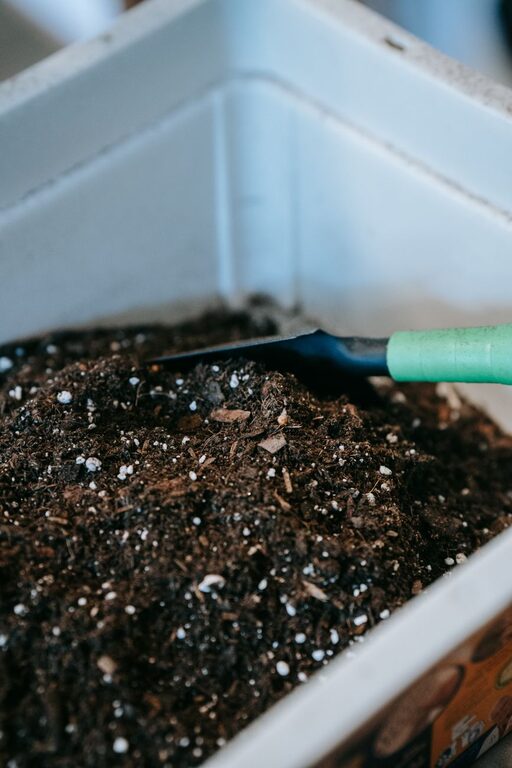
Composting at home is a rewarding and eco-friendly way to reduce household waste and create rich, natural fertilizer for your garden. Whether you have a spacious backyard or a small balcony, composting can be adapted to fit your lifestyle. This guide will walk you through beginner tips that make the process easy and enjoyable.
What Is Composting?
Composting is the natural decomposition of organic materials, such as food scraps and yard waste, into nutrient-rich soil known as compost. Instead of sending these materials to a landfill, where they contribute to methane emissions, you recycle them into something beneficial for your plants.
Benefits of Composting at Home
– Reduces waste: Diverts food scraps and yard waste from landfills.
– Improves soil: Adds nutrients and organic matter that help plants thrive.
– Saves money: Reduces the need for chemical fertilizers.
– Supports the environment: Lowers greenhouse gas emissions and promotes soil health.
Getting Started: Choosing a Composting Method
There are several ways to compost at home, and choosing the right method depends on your space, time, and goals.
Outdoor Compost Bin
– Best for those with a yard.
– Use a store-bought bin or build your own.
– Requires regular turning to aerate.
Compost Pile
– Simply create a pile in a corner of your yard.
– Larger piles heat up faster and decompose more quickly.
– May attract pests if not managed properly.
Tumbler Composters
– Enclosed bins that spin to mix compost easily.
– Ideal for small spaces and quicker composting.
– Keeps pests away.
Indoor Composting
– Use a worm bin (vermicomposting) or a bokashi system.
– Suitable for apartments or homes without outdoor space.
– Requires some care in managing moisture and temperature.
What Can You Compost?
Green Materials (Nitrogen-rich)
– Fruit and vegetable scraps
– Coffee grounds and filters
– Tea bags (without plastic)
– Fresh grass clippings
– Eggshells (crushed)
Brown Materials (Carbon-rich)
– Dry leaves
– Straw or hay
– Shredded paper and cardboard
– Sawdust (untreated wood)
– Twigs and small branches
What to Avoid
– Meat, fish, or dairy products (can attract pests)
– Oily or greasy foods
– Diseased plants
– Pet waste
– Plastic, glass, or metals
Beginner Tips for Successful Composting
1. Balance Greens and Browns
Your compost pile needs a good balance of green materials (nitrogen) and brown materials (carbon). A common recommendation is to mix roughly three parts brown to one part green. Too many greens can lead to a smelly pile; too many browns slow down decomposition.
2. Chop or Shred Materials
Smaller pieces break down faster. Chop large scraps or shred leaves and paper before adding them to your compost.
3. Keep It Moist but Not Wet
Compost should feel like a damp sponge. If it’s too dry, decomposition slows down. If it’s too wet, the pile can become smelly and anaerobic (lacking oxygen).
4. Turn Your Pile Regularly
Aerating your compost by turning it every 1-2 weeks introduces oxygen, which speeds up breakdown and prevents odors.
5. Use a Compost Thermometer (Optional)
A thermometer helps monitor the internal temperature. Ideal compost heats up to 130–160°F, which kills weed seeds and pathogens.
6. Be Patient
Composting takes time—anywhere from a few weeks to several months. The process varies based on materials, temperature, and how often you turn the pile.
Using Your Finished Compost
When your compost looks dark, crumbly, and smells earthy, it’s ready to use. Spread it in your garden beds, mix into potting soil, or use as mulch around plants. It will improve soil structure, retain moisture, and provide nutrients.
Troubleshooting Common Composting Issues
– Bad odor: Usually caused by too many greens or excess moisture. Add more browns and turn the pile.
– Pile is dry: Add water and mix to moisten.
– Pile not heating up: Add fresh greens, chop materials, and turn more often.
– Pests: Avoid adding meat or dairy. Use a closed bin or tumbler and cover food scraps with browns.
Composting in Small Spaces
If you don’t have outdoor space, vermicomposting (worm composting) is an excellent option. Red worms eat food scraps and create nutrient-rich castings. Worm bins can fit under a sink or on a balcony.
Alternatively, bokashi composting is a fermenting process that uses a special bran to break down all food waste, including meat and dairy, in an airtight container.
Final Thoughts
Composting at home is a simple way to contribute to a healthier planet while nurturing your garden. By following these beginner tips, you can create a thriving compost system that turns everyday waste into valuable soil. Remember, starting small and being consistent is the key to long-term success.
Happy composting!